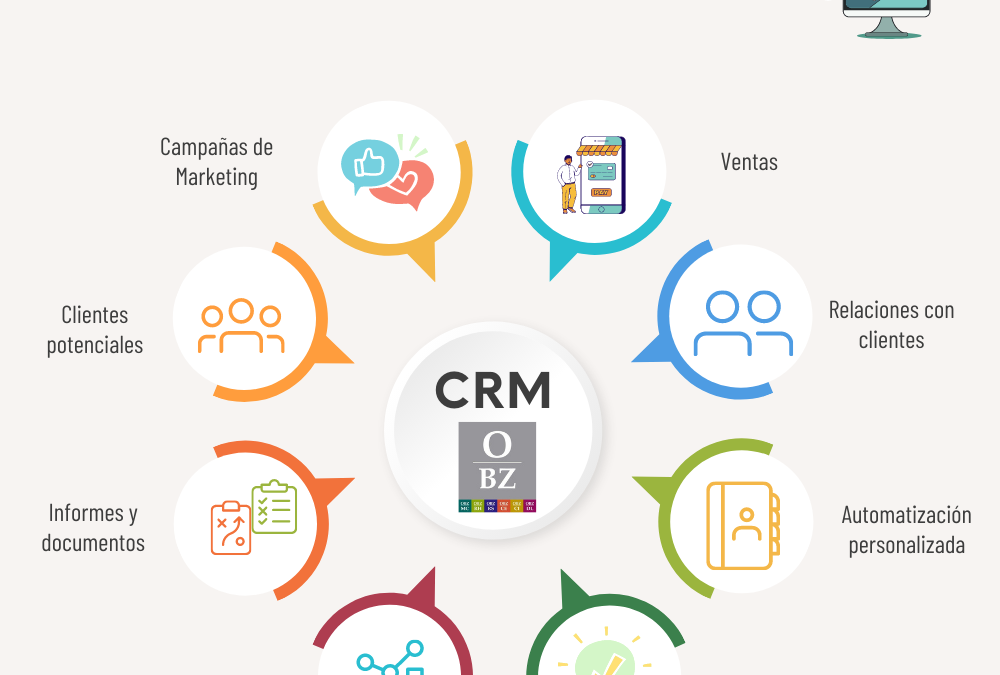
In today’s dynamic business environment, managing customer interactions efficiently is crucial to sustaining growth and gaining a competitive edge. This is where CRM, or Customer Relationship Management, comes into play. But what is CRM, and why has it become an indispensable tool for businesses worldwide? This comprehensive article explains the concept of CRM, its core components, benefits, and how it transforms business-customer relationships.
Defining CRM: What is Customer Relationship Management?
CRM (Customer Relationship Management) refers to the strategies, practices, and technologies that businesses use to manage and analyze customer interactions and data throughout the customer lifecycle. The primary goal of CRM is to improve business relationships with customers, enhance customer retention, and drive sales growth.
CRM systems help organizations centralize customer information, track interactions across multiple channels, automate marketing, sales, and customer service processes, and deliver personalized experiences.
Core Components of CRM
- Customer Data Management CRM systems collect and store detailed customer information, including contact details, purchase history, preferences, and communication records. This centralized database serves as the foundation for all customer interactions.
- Sales Management CRM supports sales teams by managing leads, tracking opportunities, automating follow-ups, and providing a clear view of the sales pipeline, ensuring no prospect is overlooked.
- Marketing Automation CRM platforms often include tools to design, execute, and monitor marketing campaigns. This allows businesses to target customers with personalized messages and track campaign effectiveness.
- Customer Service and Support By integrating support ticketing and communication channels, CRM systems enhance customer service efficiency, ensuring timely responses and resolution of issues.
- Analytics and Reporting Advanced CRM solutions provide actionable insights through dashboards and reports, helping businesses understand customer behavior, measure performance, and make data-driven decisions.
Why is CRM Important for Businesses?
1. Improved Customer Relationships
By having a 360-degree view of customers, businesses can tailor interactions, anticipate needs, and provide timely support, leading to higher customer satisfaction and loyalty.
2. Increased Sales Efficiency
CRM automates routine tasks such as follow-ups and data entry, freeing sales teams to focus on closing deals. It also helps prioritize leads and optimize sales strategies.
3. Enhanced Marketing ROI
Targeted marketing campaigns based on customer data improve engagement rates and reduce wasted spend on irrelevant outreach.
4. Streamlined Collaboration
CRM platforms facilitate communication and data sharing between sales, marketing, and customer support teams, ensuring a consistent and unified customer experience.
5. Data-Driven Decision Making
With real-time analytics, businesses can identify trends, track KPIs, and adjust strategies proactively to maximize results.
Types of CRM Systems
- Operational CRM: Focuses on automating customer-facing business processes such as sales, marketing, and service.
- Analytical CRM: Emphasizes data analysis to improve customer insights and strategic decision-making.
- Collaborative CRM: Enhances communication and information sharing among departments and even external partners to better serve customers.
How CRM Benefits Different Industries
- Retail: Enables personalized promotions, loyalty programs, and inventory management aligned with customer preferences.
- Healthcare: Supports patient management, appointment scheduling, and compliance with privacy regulations.
- Financial Services: Tracks client portfolios, automates compliance reporting, and delivers personalized financial advice.
- Manufacturing: Coordinates dealer and distributor relationships, service requests, and supply chain management.
Choosing the Right CRM for Your Business
Selecting the appropriate CRM solution depends on business size, industry, budget, and specific needs. Consider factors such as:
- Ease of Use: Intuitive interface for quick adoption.
- Customization: Ability to tailor workflows and fields.
- Integration: Compatibility with existing tools like email, ERP, and marketing platforms.
- Scalability: Support for business growth.
- Cost: Balance between features and budget.
Conclusion: CRM as a Strategic Asset
Understanding what CRM is and leveraging its capabilities can transform how businesses engage customers and operate internally. By centralizing data, automating processes, and enabling personalized interactions, CRM systems play a pivotal role in building lasting customer relationships and driving sustainable growth.
In a marketplace where customer experience is king, CRM provides the tools and insights businesses need to stay ahead and thrive.