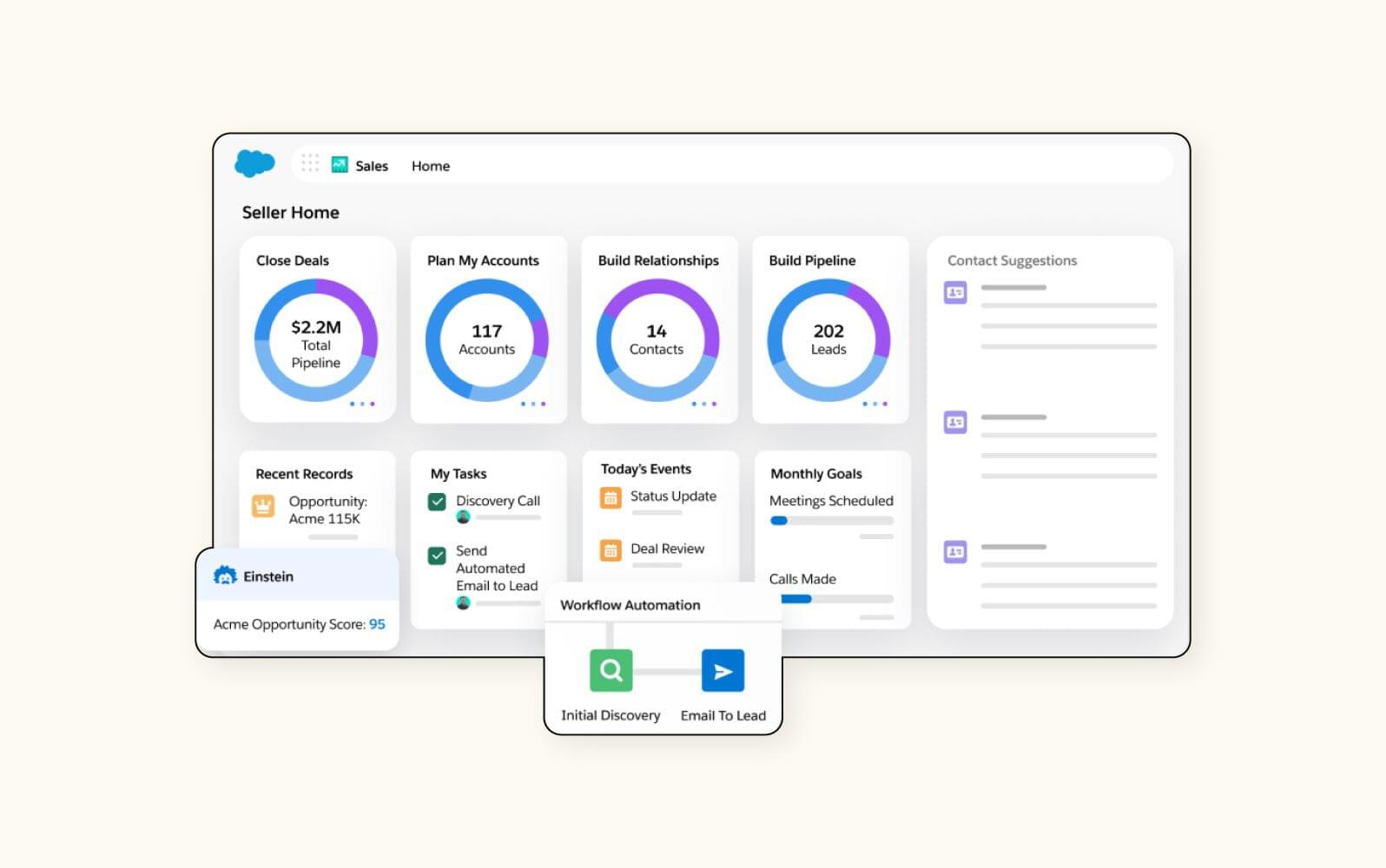
For small businesses, building and maintaining strong customer relationships is vital for growth and long-term success. Yet many small business owners feel overwhelmed by the complex, feature-heavy CRM solutions designed for large enterprises. This is where a simple CRM for small business becomes an invaluable tool—offering the essential customer management capabilities without unnecessary complications.
In this detailed article, we explore the importance of a straightforward CRM system tailored to small businesses, the core features to look for, benefits of implementation, and how the right CRM can transform your business operations and customer engagement.
Why Small Businesses Need a Simple CRM
Small businesses often juggle multiple roles with limited resources, making time and efficiency critical. Without a centralized system to manage contacts, track sales activities, and organize communication, businesses risk losing leads, repeating tasks, and missing opportunities.
A simple CRM tailored for small businesses focuses on ease of use, quick setup, and affordability. It helps organize customer information, automate routine tasks, and improve team collaboration, allowing small teams to deliver personalized customer experiences and close deals faster.
Key Features of a Simple CRM for Small Business
1. Contact and Lead Management
At its core, a simple CRM must provide a centralized database where all customer and lead details are stored securely and accessible at any time. This ensures no prospect falls through the cracks, and every interaction is logged for future reference.
2. Task and Activity Tracking
Small businesses benefit immensely from built-in tools that track calls, emails, meetings, and follow-ups. Automated reminders ensure timely engagement with customers and prospects, improving relationship building and pipeline momentum.
3. Sales Pipeline Visualization
A visual sales pipeline enables business owners and sales reps to see where every deal stands. Drag-and-drop functionality to move prospects between stages helps monitor progress and prioritize high-value opportunities.
4. Email Integration
Integration with popular email platforms like Gmail and Outlook allows users to send and receive emails within the CRM, automatically syncing communication without manual input.
5. Reporting and Analytics
Simple, clear reports that highlight key metrics like sales performance, lead conversion rates, and customer activity help small business owners make informed decisions without the complexity of advanced analytics.
6. Mobile Accessibility
Given the mobile nature of small business operations, a CRM with a user-friendly mobile app ensures that team members can access critical customer data and update records on the go.
Benefits of Using a Simple CRM for Small Business
Improved Organization and Efficiency
A simple CRM consolidates scattered customer information and communication into one place, saving time spent searching for data and reducing administrative overhead.
Enhanced Customer Engagement
With reminders and tracked interactions, small businesses can deliver timely, personalized communication that builds trust and customer loyalty.
Increased Sales and Revenue
Visual pipelines and activity tracking help teams focus on qualified leads and close deals faster, directly impacting the bottom line.
Better Collaboration
Even small teams benefit from shared access to customer data, enabling seamless handoffs and consistent messaging across departments.
Affordable and Scalable
Simple CRMs are often subscription-based with flexible plans, allowing small businesses to start with basic features and upgrade as they grow without large upfront investments.
How to Choose the Right Simple CRM for Your Small Business
- Ease of Use: Look for intuitive interfaces requiring minimal training.
- Customization: The ability to tailor fields, sales stages, and workflows to your unique processes.
- Integration: Ensure compatibility with your existing tools such as email, calendars, and accounting software.
- Customer Support: Responsive support and clear documentation are critical for troubleshooting.
- Cost: Evaluate pricing plans to find a solution that fits your budget while delivering essential features.
Popular Simple CRM Options for Small Businesses
Some top CRM platforms known for simplicity and small business focus include:
- HubSpot CRM: Free to start, user-friendly, with powerful contact and pipeline management.
- Zoho CRM: Affordable, customizable, and integrates well with Zoho’s business suite.
- Pipedrive: Visual sales pipelines with simple automation and mobile access.
- Freshsales: Intuitive interface with built-in phone and email tools.
- Insightly: Easy project and contact management tailored for small businesses.
Conclusion
A simple CRM for small business is not just a tool but a strategic asset that helps streamline operations, improve customer relationships, and drive sales growth without overwhelming users. By focusing on essential features, affordability, and ease of use, small businesses can leverage CRM technology to compete effectively and scale sustainably.
Investing in the right simple CRM today will empower your team to work smarter, serve customers better, and build a foundation for lasting success.